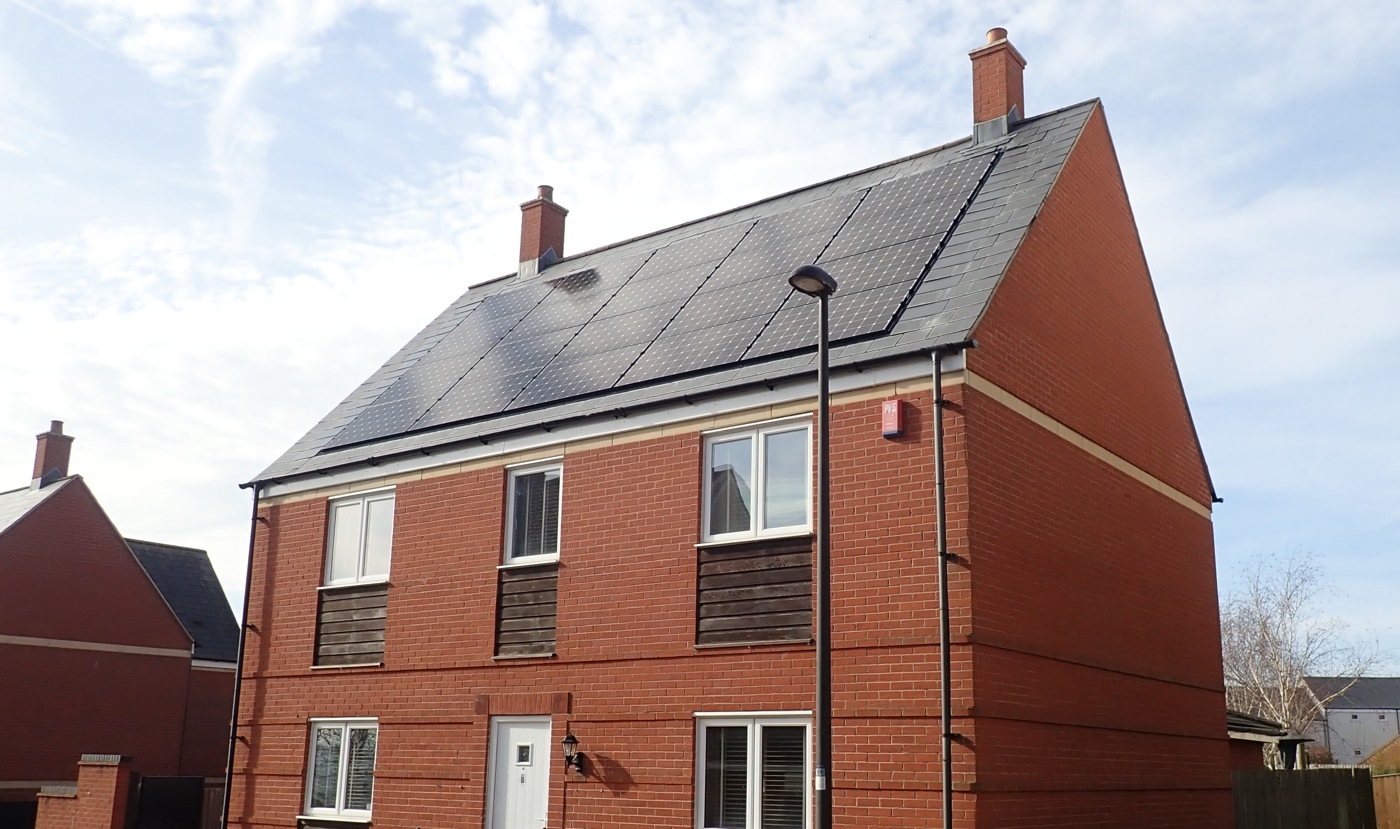
Solar panels are gaining traction as a fantastic way for UK homeowners to harness sustainable energy. Let’s explore the essentials of solar panel technology and the installation process!
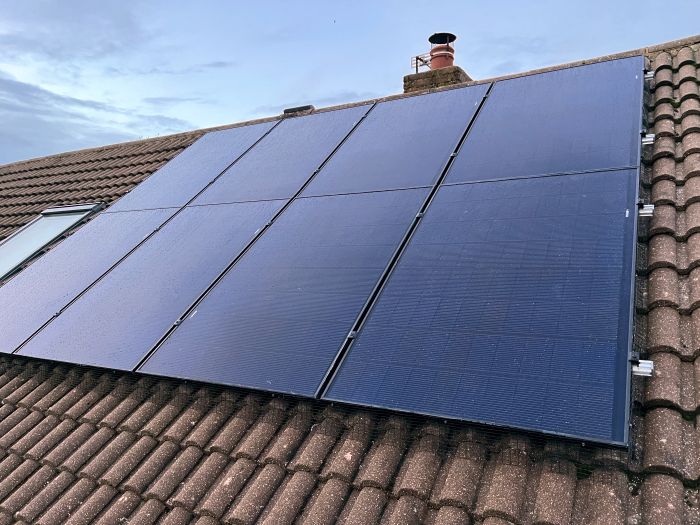
How Do Solar Panels Work?
Solar panels operate using the photovoltaic (PV) effect. When sunlight strikes the solar cells, it releases electrons from their atoms—this movement creates a flow of electricity! The panels comprise two layers of silicon, one positively charged and the other negatively charged, which form an electric field. As electrons circulate through this field, electricity is generated.
Benefits of Solar Panels
There are plenty of reasons to consider solar panels:
- Cost Savings: They can significantly reduce or even eliminate your electricity bills.
- Environmental Impact: Solar panels provide clean, renewable energy, helping you reduce your carbon footprint.
- Energy Independence: You can rely less on the National Grid by generating electricity.
- Low Maintenance: Once installed, solar panels require very little upkeep.
How Many Solar Panels Do I Need?
The number of solar panels you’ll need depends on several factors:
- Your home’s energy consumption
- Available roof space
- The efficiency of the panels
- Your geographical location within the UK
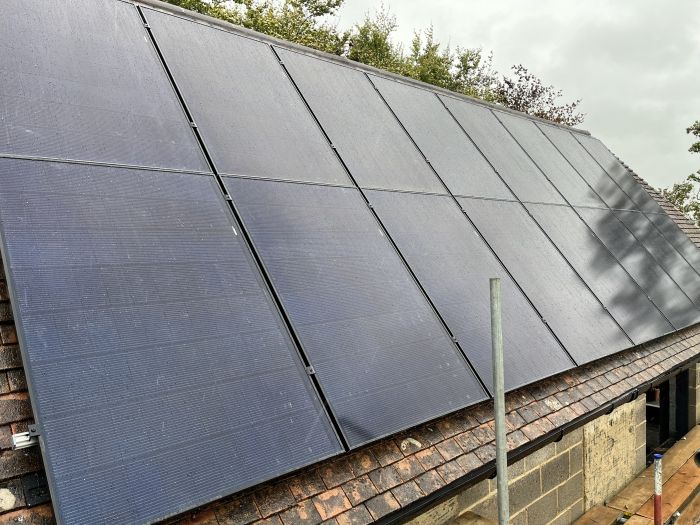
A typical 4kW system might require around 13 panels for an average UK home. Getting a professional assessment tailored to your needs is always a good idea.
Are Solar Panels Worth it?
For the majority of UK homeowners, solar panels present a solid investment. They can cover a considerable portion of your electricity usage, especially during the summer, and even help with your energy needs in winter. While the initial costs can be significant, the long-term savings on your energy bills can lead to the system paying for itself in about 6 to 10 years.
Do Solar Panels Increase Home Value?
Solar panels typically boost home value in the UK. They’re viewed as a desirable feature and can make your property more appealing to potential buyers due to the benefits of lower energy bills and better energy efficiency ratings.
How Long Does It Take to Install Solar Panels?
From start to finish, our solar panel installation process usually takes about 6 to 8 weeks. Here’s a quick breakdown:
- Initial consultation and site assessment: 1-2 weeks
- Permitting and approvals: 2-4 weeks
- Equipment procurement: 1-2 weeks
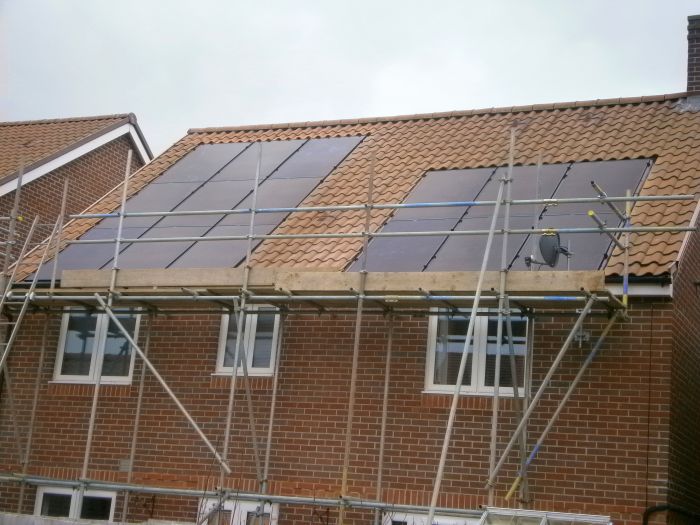
- Actual installation: just 1-2 days
How Much Do Solar Panels Cost?
The cost of solar panels can vary significantly based on the system’s size and complexity.
As of 2024/25, the total solar installation cost, including materials, will depend on the system’s size and the specific brands and technologies required for your property. On average, prices range from £5,000 to £16,000.
In summary, the ideal solar system should be:
- High-quality,
- Appropriately sized for your needs,
- Backed by extended guarantees,
- Competitively priced,
- Installed by an accredited Solar Installer.
Can You Put Solar Panels on a Flat Roof?
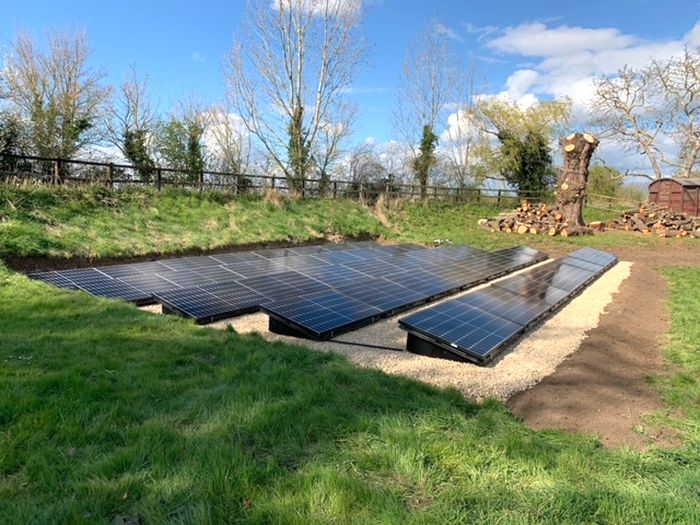
Yes, you can install solar panels on a flat roof in the UK! Unique mounting systems are designed to angle the panels for optimal sunlight absorption. However, factors like weight distribution and water drainage should be considered.
How Do Solar Panels Impact the Environment?
Solar panels have a mostly positive effect on the environment:
- They significantly cut down greenhouse gas emissions compared to fossil fuels.
- They help improve air quality since they don’t emit pollutants during operation.
- They also conserve water resources, unlike traditional power plants.
That said, there are some considerations to keep in mind:
- The manufacturing process for solar panels can be energy-intensive and sometimes involves toxic materials.
- Large solar farms can impact local ecosystems.
- End-of-life disposal and recycling of panels pose ongoing challenges.
Overall, solar panels have far more significant environmental benefits than drawbacks, especially given the UK’s commitment to reducing carbon emissions.
What Maintenance is Required for Solar Panels?
While solar panels don’t demand a lot of maintenance, some care is still needed:
- Visual inspections: Check your panels twice yearly for any dirt or damage.
- Cleaning: Clean them every 6-12 months, depending on your local conditions.
- Professional servicing: It’s wise to have a professional check your system every 5-10 years.
- Performance monitoring: Monitor energy output using the monitoring systems typically provided.
How Often Should I Clean My Solar Panels?
In the UK, with our regular rainfall, Mother Nature often takes care of the cleaning. However:
- Aim to clean your panels at least once a year, often after winter.
- If you live in a more polluted area or near trees, consider cleaning them twice a year.
- When cleaning, use water and a soft brush—steer clear of harsh detergents or high-pressure washers.
How Do Solar Panels Perform During Different Seasons in the UK?
The performance of solar panels varies quite a bit with the seasons:
- Summer: This is when they shine with the highest energy production, thanks to long days—expect about 15-16 hours of daylight. A 3.5 kW system can generate around 362 kWh monthly.
- Autumn: Daylight hours start declining, reducing energy production, but cooler temperatures can help maintain panel efficiency.
- Winter is the slowest season, with only around eight hours of daylight. A system might only generate about 52 kWh monthly, a significant drop from summer. Solar panels work in colder weather, but the lack of sunlight and increased cloud cover affect efficiency.
- Spring: As daylight increases again, so does energy production, getting panels back to form for the sunny months ahead!
With solar panels, you’re stepping into a brighter, more sustainable future!
At Solar KW, we’re here to help you make the most of your solar system. Contact us today to learn more about how solar panels can power your home.