

We have moved into our new office, have designed the logo and we are now working on the website.
Thanks for use of photo on Unsplash.
We have moved into our new office, have designed the logo and we are now working on the website.
Thanks for use of photo on Unsplash.
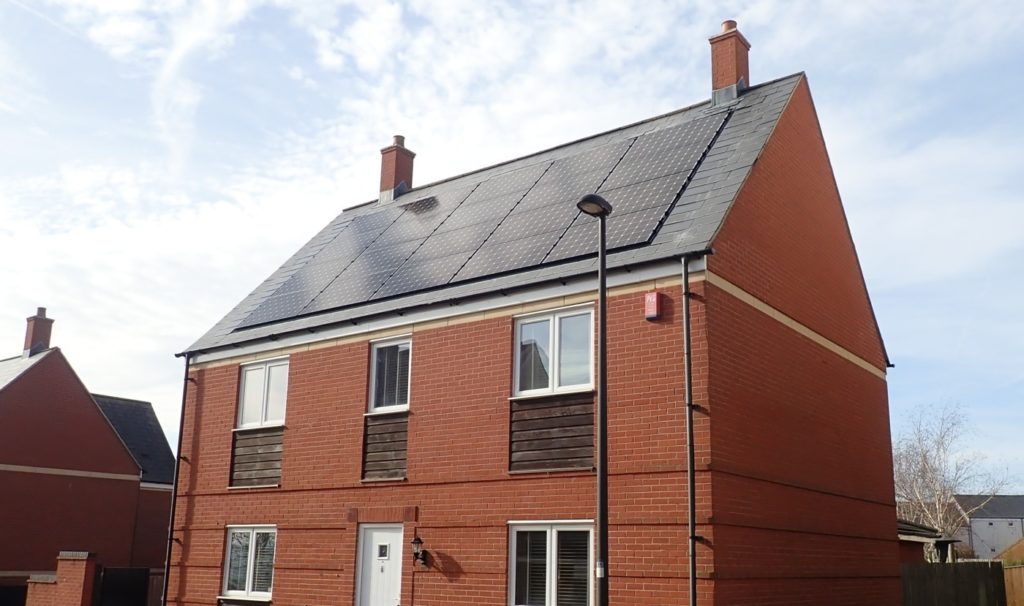
Solar panels are gaining traction as a fantastic way for UK homeowners to harness sustainable energy. Let’s explore the essentials of solar panel technology and the installation process!
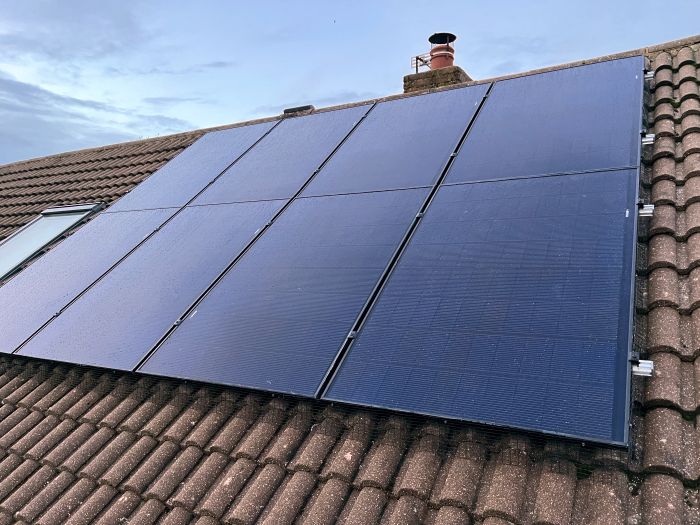
Solar panels operate using the photovoltaic (PV) effect. When sunlight strikes the solar cells, it releases electrons from their atoms—this movement creates a flow of electricity! The panels comprise two layers of silicon, one positively charged and the other negatively charged, which form an electric field. As electrons circulate through this field, electricity is generated.
There are plenty of reasons to consider solar panels:
The number of solar panels you’ll need depends on several factors:
A typical 4kW system might require around 13 panels for an average UK home. Getting a professional assessment tailored to your needs is always a good idea.
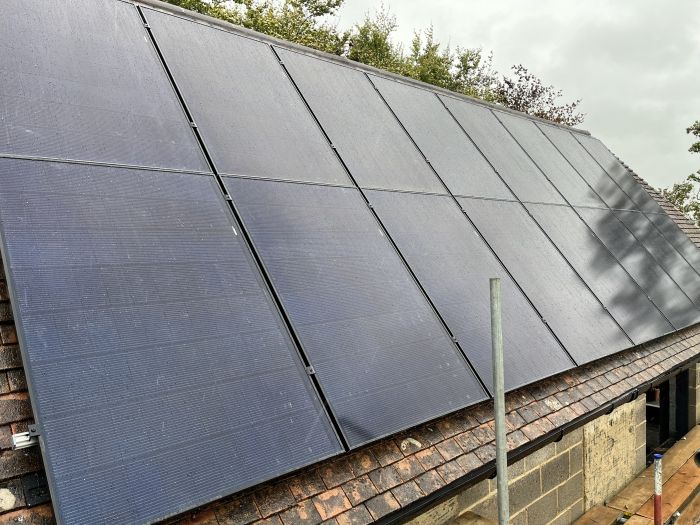
For the majority of UK homeowners, solar panels present a solid investment. They can cover a considerable portion of your electricity usage, especially during the summer, and even help with your energy needs in winter. While the initial costs can be significant, the long-term savings on your energy bills can lead to the system paying for itself in about 6 to 10 years.
Solar panels typically boost home value in the UK. They’re viewed as a desirable feature and can make your property more appealing to potential buyers due to the benefits of lower energy bills and better energy efficiency ratings.
From start to finish, our solar panel installation process usually takes about 6 to 8 weeks. Here’s a quick breakdown:
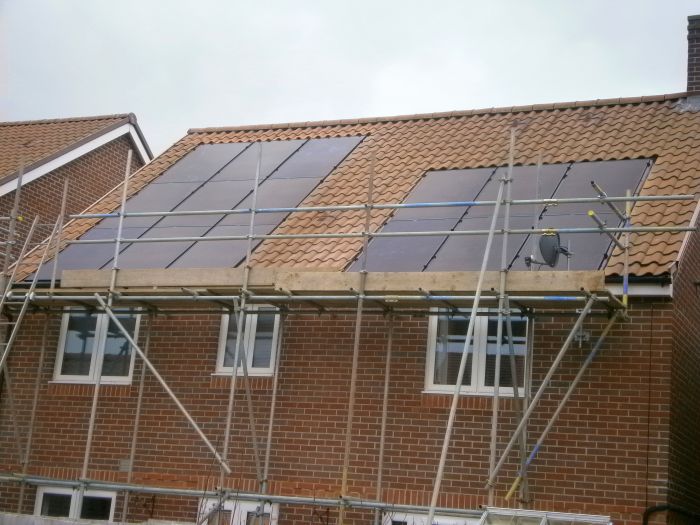
The cost of solar panels can vary significantly based on the system’s size and complexity.
As of 2024/25, the total solar installation cost, including materials, will depend on the system’s size and the specific brands and technologies required for your property. On average, prices range from £5,000 to £16,000.
In summary, the ideal solar system should be:
Yes, you can install solar panels on a flat roof in the UK! Unique mounting systems are designed to angle the panels for optimal sunlight absorption. However, factors like weight distribution and water drainage should be considered.
Solar panels have a mostly positive effect on the environment:
That said, there are some considerations to keep in mind:
Overall, solar panels have far more significant environmental benefits than drawbacks, especially given the UK’s commitment to reducing carbon emissions.
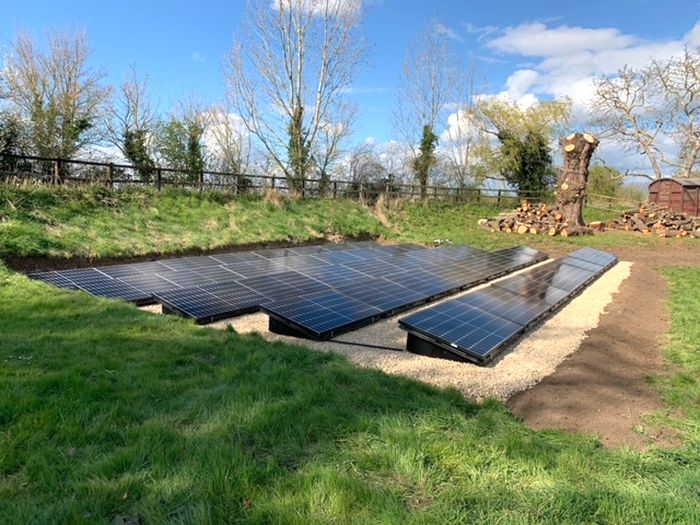
While solar panels don’t demand a lot of maintenance, some care is still needed:
In the UK, with our regular rainfall, Mother Nature often takes care of the cleaning. However:
The performance of solar panels varies quite a bit with the seasons:
With solar panels, you’re stepping into a brighter, more sustainable future!
At Solar KW, we’re here to help you make the most of your solar system. Contact us today to learn more about how solar panels can power your home.
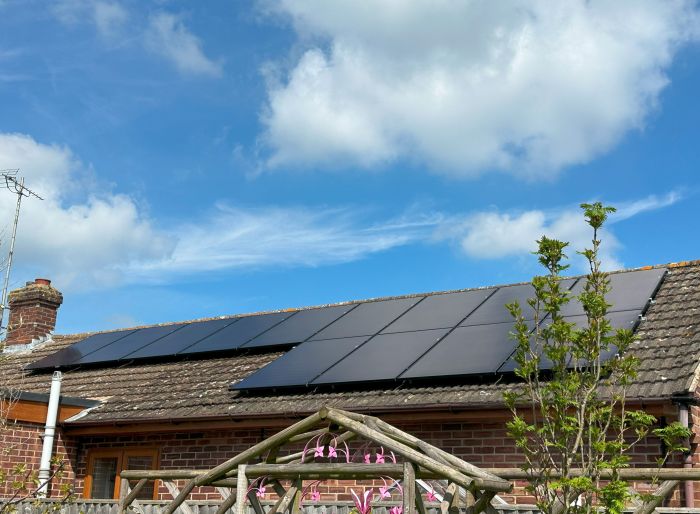
As Oxford’s trusted solar installer, we often hear concerns about solar panel performance during winter. While solar production changes with the seasons, you might be surprised to learn that solar panels can be quite effective even in cold weather. Let’s explore how your solar investment can continue to work for you year-round.
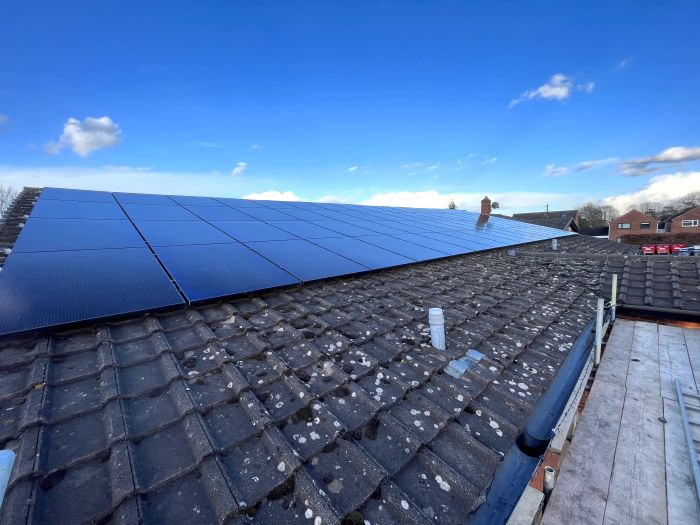
Solar panels generate electricity through photovoltaic cells, which convert sunlight into usable energy. This process relies on capturing light, not heat, meaning solar panels don’t need warm weather to work effectively. They perform more efficiently in colder temperatures because heat can reduce their overall performance.
The key factor in winter is the amount of sunlight your panels receive. While shorter days and lower sun angles mean fewer daylight hours, the panels can still function effectively if exposed to light. Even on overcast days, they can capture diffused sunlight, allowing them to continue generating electricity, albeit at a reduced capacity.
Surprisingly, the cooler winter air helps the panels work at peak efficiency. So, while energy production may be lower in winter compared to summer due to shorter days, your panels make the most of every ray of light they receive.
Yes, solar panels generate electricity even on cloudy days, although at a reduced capacity. Typically, solar panels will produce:
– 10-25% of their rated capacity on heavily overcast days
– 25-45% on moderately cloudy days
– Up to 80% on partly cloudy days
Modern solar technology has improved significantly, allowing panels to capture the diffused light penetrating through cloud cover.
Winter does present some challenges for solar energy production, including:
– Shorter daylight hours, which means less time for energy generation
– Snow accumulation that can temporarily block sunlight
– More frequent cloud cover, reducing direct sunlight exposure
– Frost that can temporarily affect panel efficiency
– A higher likelihood of dirt and debris accumulation
Winter isn’t all bad news for solar energy production despite the challenges. There are several advantages:
– Cold temperatures increase solar panel efficiency
– Snow reflection can boost performance
– Clear winter days provide excellent conditions for generation
– Clean winter air can improve solar irradiance
– Winter winds can help keep panels clean
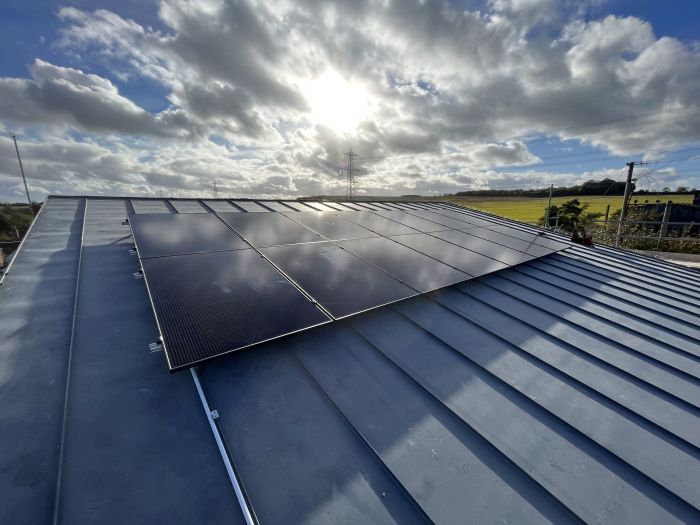
In Oxford, winter solar production typically ranges from 20-30% of summer production levels. For example, a system that produces 1,000 kWh in June might generate 200-300 kWh in December. However, this varies based on:
– Panel orientation and tilt
– Local weather conditions
– System efficiency
– Installation quality
– Maintenance practices
To optimise your solar system’s winter performance, consider these tips:
– Install panels at a steeper angle (35-45 degrees) to maximise winter sun exposure
– Keep panels clean and free of debris
– Consider snow-clearing systems for automatic snow removal
– Implement regular maintenance checks
– Use high-efficiency panels designed for low-light conditions
– Install micro-inverters or power optimisers to minimise the impact of partial shading
Solar panels remain a valuable and reliable energy source during winter. While their efficiency may be slightly reduced due to shorter days and lower sunlight intensity, cooler temperatures and reflective snow can help offset some downsides. With proper maintenance and setup, solar panels can continue generating clean, renewable energy all year, helping you save money and reduce your carbon footprint.
At Solar KW, we’re here to help you make the most of your solar system, no matter the season. Contact us today to learn more about how solar panels can keep your home powered, even in winter!
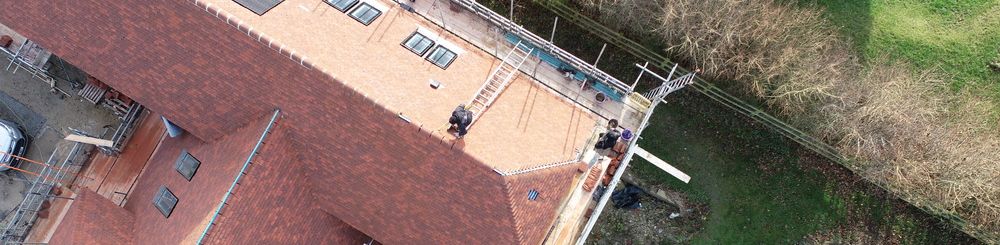
To save both time and money, in many cases it’s easier for a drone to carry out a roof and solar installation inspection than it is for an engineer to get onto the roof up close.
A drone operator can inspect the roof thoroughly, a typical detached house usually takes around an hour to survey. Much less time and less risk than using scaffolding or ladders.
Once solar panels are installed on your roof, it’s more work to take them off and reinstall them for roof maintenance, so it’s best to carry out any required maintenance beforehand.
Of course we do see the roof up close during the installation of solar panels and will alert you if we see any potential issues. However, it’s good to know more before the installation, so that we can alert your roofers to fix the issue in advance.
In the unlikely event that there are any issues with your solar installation, the roof may need to be inspected up close, once again, it can be easier and quicker to do this with a drone.
If you’d like to have your roof checked, please contact the Drone Company directly.
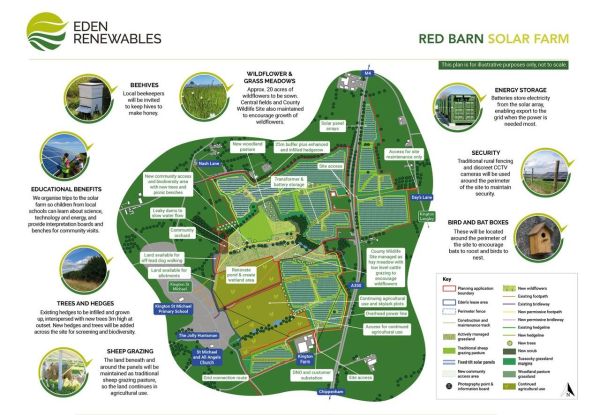
Swindon Climate Action Network Group and the Wiltshire Climate Alliance are asking for support to submit comments via the Wiltshire Council planning portal before 27th November 2023 regarding a proposed solar farm in Wiltshire, near Kington St. Michael, about 20 miles west of Swindon, south of the M4 and adjacent to the A350.
The solar farm proposes electricity generation equivalent to consumption of around 15,000 homes with CO2 savings of 13,700 tonnes annually compared with gas generation.
This Wiltshire solar farm proposal includes a range of environmental benefits such as new hedgerows, continued agricultural use with sheep grazing and biodiversity improvements.
The developers Eden Renewables, include in the proposals a community and educational benefit fund for local people of £24,000 per year for 40 years, opportunity for shared ownership, 3km of new footpaths and bridleways, a community orchard, new trees, wildflower meadows, beehives, bird and bat boxes as well as an area for allotments.
The submitted planning application for this solar farm in Wiltshire can be viewed on the Wiltshire Council planning portal, where members of the public can provide comments to Wiltshire Council. Find our more about our home solar installation service to have a micro solar farm on your own property.
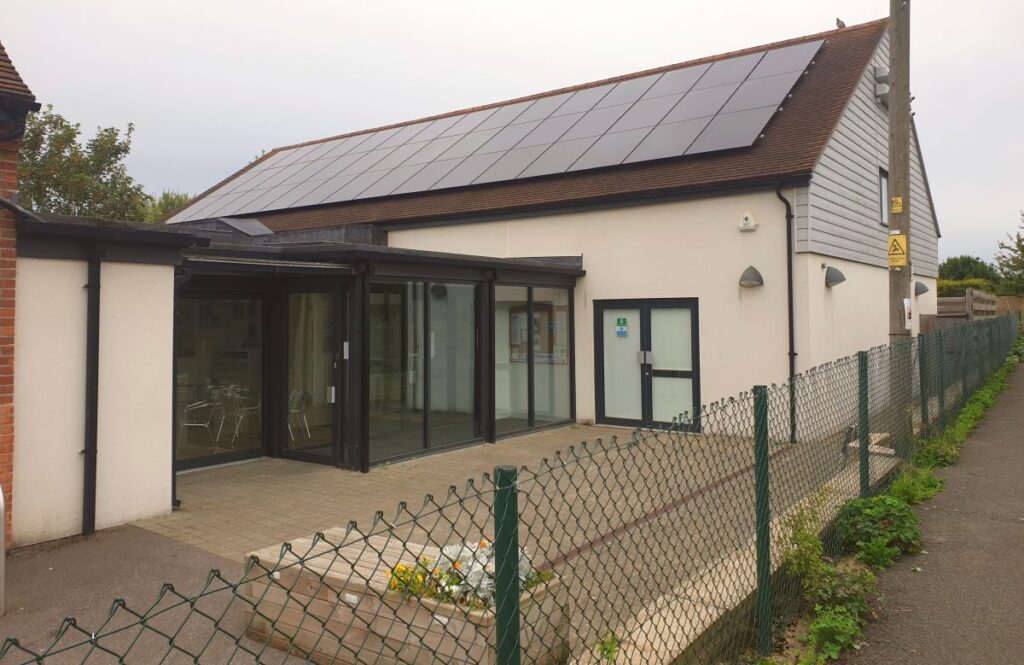
Harwell Village Hall originally built in the late 1920s and situated in the heart of Harwell village in the Thames Valley, Oxfordshire, not far from Didcot. It serves as a hub for various social and community events; now it has a new community solar installation.
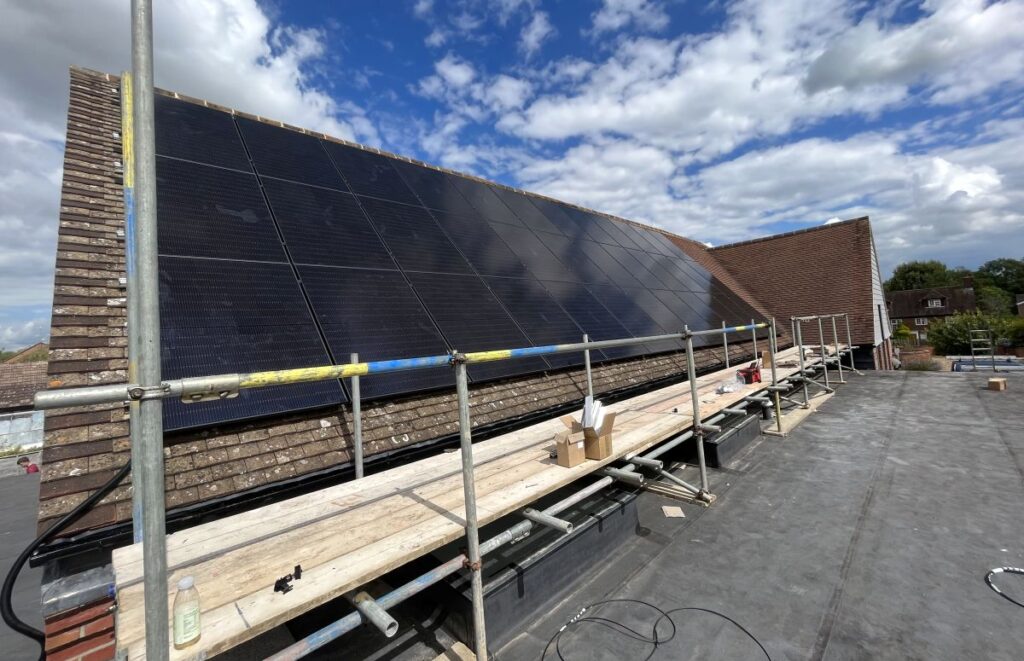
The hall has significant electricity needs, as it serves as a focal point for numerous groups in the village and the local area. Solar Kw were were commissioned to design and install a large solar array consisting of 81 Panels – system size 32.4kw, as well as solar battery storage with a size of 23.2kw.
Gatherings at Harwell Village Hall encompass a wide range of activities, catering to various age groups, including fitness and dance sessions for both the young and the elderly, arts and crafts, woodturners, Harwell Womens Institue, short mat bowls, and a host of clubs tailored for toddlers and young children such as Fun Club. Additionally, it houses our youth theatre group Gobo Theatre and the Harwell Parish History Group.
Furthermore, it functions as the designated local Polling Station, and adjacent to the foyer entrance lies the office of the Parish Council.
Operating as a registered charity, funding stems from the revenue generated through hires, which is then allocated towards covering expenses including insurance, repairs, heating, and more.
The community solar installation at Harwell Village Hall generates most of the electricity needs and hence provides significant cost savings.
Solar KW Ltd has been awarded again, this time at the Sustainable Building Awards 2023, hosted by Build Magazine, we have been selected as: Solar Power Design & Installation Company of the Year 2023 – UK
How Solar KW Ltd earned this recognition?
To determine the results, Build’s judging panel and research team consider the commitment, expertise, and innovation shown by nominees through nomination information, votes, any supporting evidence, along with the results from their own comprehensive fact-checking and research process. The merit-driven approach has brought commendation throughout its use and enforces the stance that victors are not determined by popularity of votes, but by their contributions!
Following our award in 2019, we have been selected as the best solar panel installation company again this year! Contact us to find out how we can help to lower your energy bills.

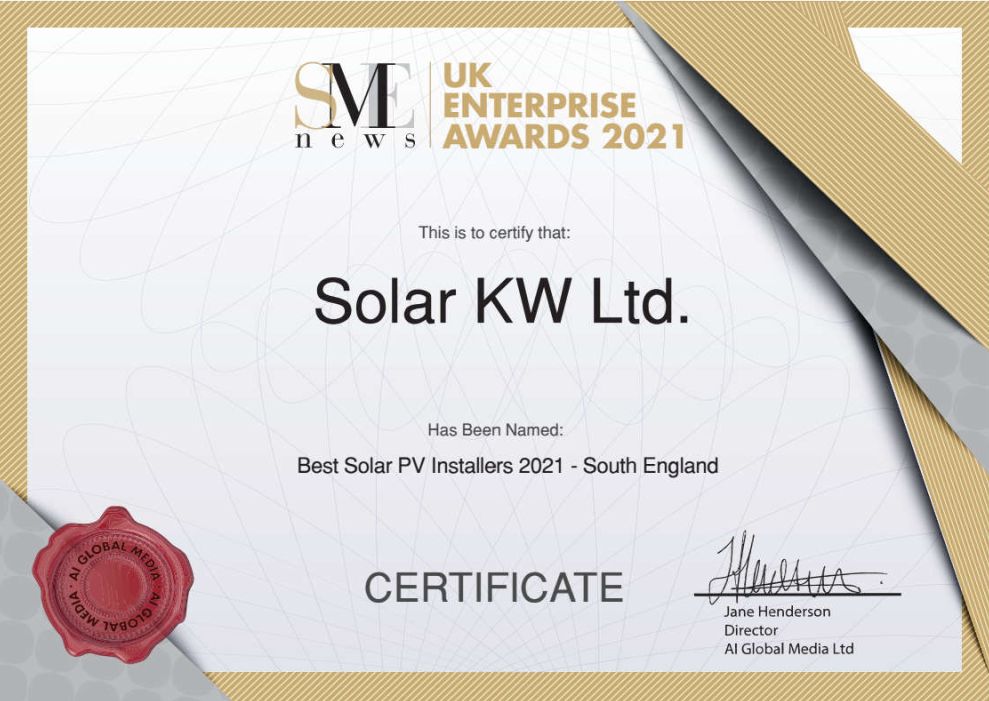
Archive News from 2019 … Solar KW Limited has been awarded Best Solar Panel Installation Company by SME 2019 Energy & Power Awards.

SME News is a quarterly digital publication aimed at those who own, run or assist in the running of small and medium-sized businesses within the UK.
The SME News Energy Power Awards are based on merit, not the number of votes received. The process works to ensure that companies are rewarded based on their excellence in the industry, the quality of their products and their dedication to service.
Managing Director Keith Willis responds to winning the award, “We believe our customers make a very well informed decision when placing an order with us. Added to that, our installation work really is first class, and this shows in the high number of excellent reviews we receive following installation. We then ensure that all installations continue to operate as expected by monitoring every installation online. We are confident our customers are happy as many regularly pass new potential customers our way.”
See the full article re Best Solar Panel Installation Company in pdf format.
Award article at SME News
Solar KW Award page at SME News
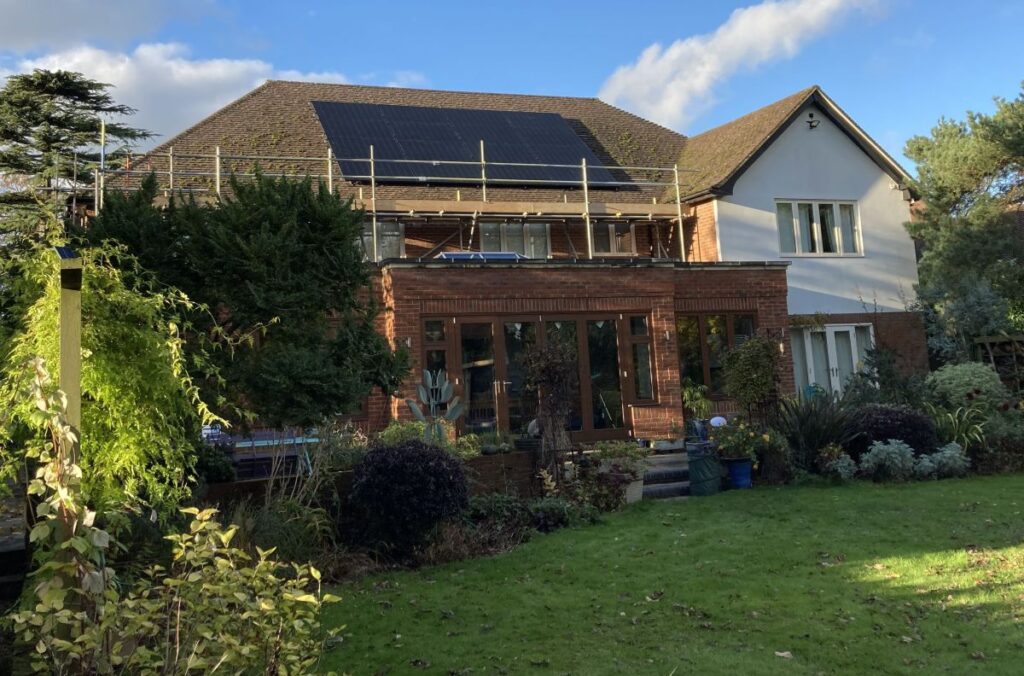
A recent solar installation in Beaconsfield, Buckinghamshire.
The installation features LG Black solar pv panels, a SolarEdge optimised inverter as well as LG Battery storage to store the electricity generated. Call us today to get solar for your property.
Modern panels with high energy output. More details shortly.
This solar installation in Buckinghamshire includes an optimised inverter from SolarEdge which delivers greater energy production, simplifies the install and provides great safety features.
A domestic battery storage bank from LG stores energy produced during the day so that it can be used when the sun goes down.
Adjacent to the Chiltern Hills scenic landscapes and one of Britain’s richest towns, Beaconsfield is a great example Georgian, neo-Georgian and Tudor revival architecture in the old town centre; and it’s home to the National Film and Television School.
Located not far from Beaconsfield between Buckingham and Aylesbury, plans for a new solar farm with battery storage were announced in 2023 by EDF Renewables UK and PS Renewables. Estimated to power more than 57,000 homes; the plans are still in balance, there has been a mixed response from local residents to this solar installation in Buckinghamshire.
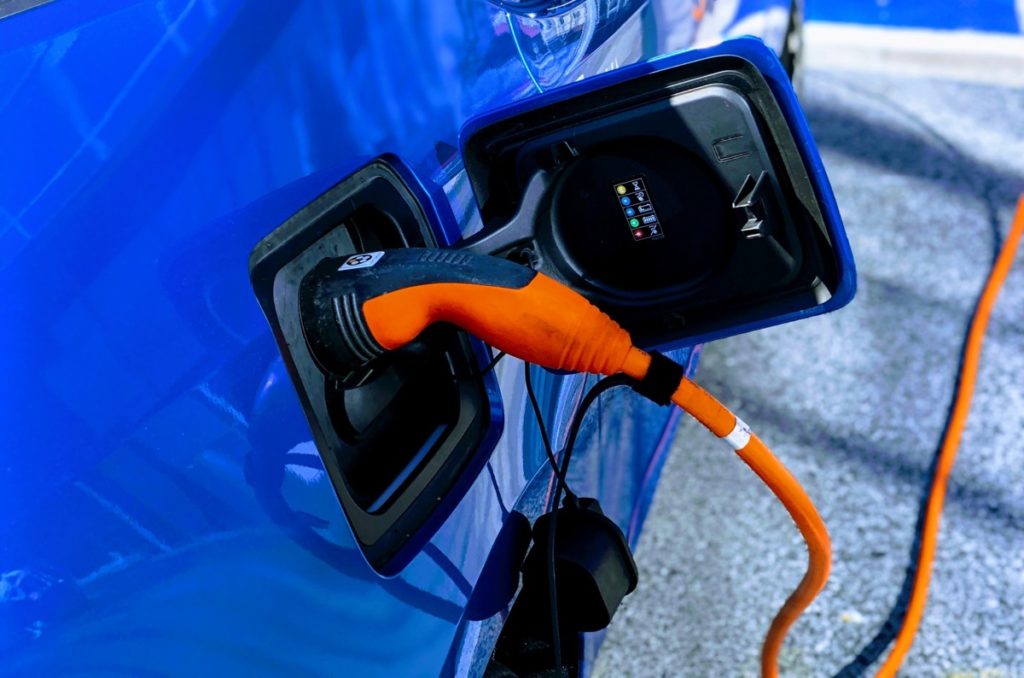
A standard domestic solar panel installation with 8 – 12 panels will provide enough electricity to partially charge an electric car, giving you free fuel to drive around town day to day.
The exact calculation depends on many factors, like which electric vehicle EV you have, how many miles you drive, the way you drive and on how much sun you get. Most of us will want to charge our vehicles overnight and in this case solar battery storage will also be required.
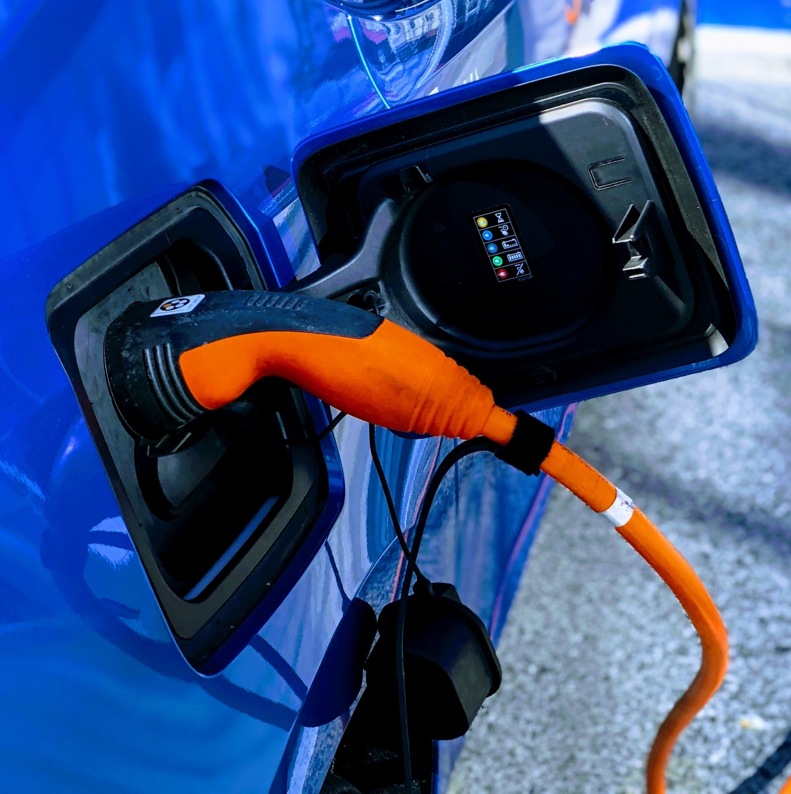
For the purposes of this calculation, we have selected one of the most popular electric vehicles in the UK, the Nissan Leaf together with an average UK 4 kW solar installation.
The Nissan Leaf was the first mass-produced EV to go on sale in the UK and over 24,000 Leafs were registered in the UK in 2018, it’s also the all time best-selling pure-EV in the UK (https://www.nextgreencar.com/electric-cars/statistics/ September 2019) and therefore an ideal choice for the purposes of our calculation.
The current standard second generation Nissan Leaf model has a 40kWh battery. Charging the car using a regular wall plug (2.3 kW) takes around 18 hours 30 minutes and gives you a range of around 135 miles (again depending on the weather, terrain and driving style). That means an hours charging will give you around 7 miles drive. Using a specially installed charge point will add an installation cost but will allow quicker charging (around 7 hours for a full charge).
The average domestic solar installation is around 4kW.
That generates 3,400 kWh a year = 9 kWh / day.
More information about SolarEdge inverters with a built in car charging port!
This saves consumer cost of course and also provides the opportunity of the car charging to take the solar electricity as priority over the house if so desired. The car charging then becomes part of the customers online solar App.
https://drive-green.co.uk/charging-options/solar-charging-electric-car/
https://ev-database.uk/car/1106/Nissan-Leaf#charge-table/
https://www.theecoexperts.co.uk/solar-panels/electricity-power-output/
https://www.nextgreencar.com/electric-cars/statistics/
https://www.statista.com/statistics/987661/nissan-leaf-registered-cars-in-great-britain/
Photo Credit Electric BMW Charging
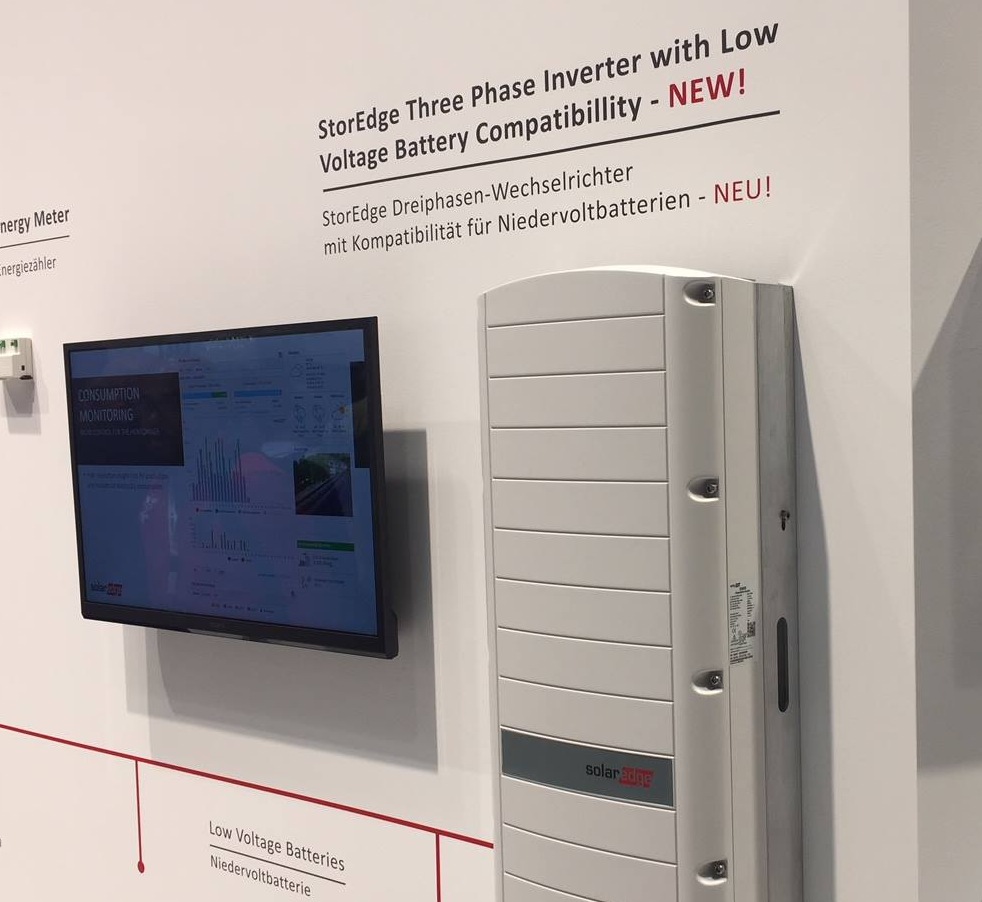
Replacing your existing solar inverter with a new model can provide 15% to 25% extra efficiency, giving you more electricity from your existing solar panels.
We are currently offering top of the range Solar Edge inverters.
After taking details from you on your existing solar installation, we will conduct a site assessment. If everything is in order, we can dismantle your old inverter and replace it with a new inverter, usually all on the same day.
We have a selection of inverters to choose from, depending on your existing solar installation, cost ranges from £500 to well over £1000. Please contact us for details.
Recent Comments